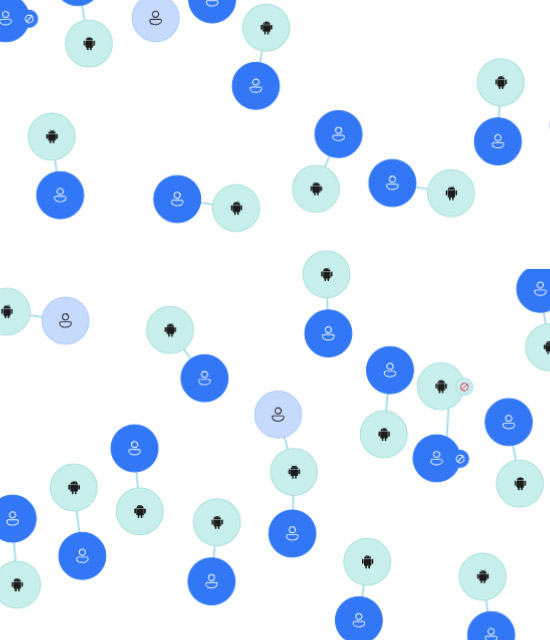
iGaming & Sports Betting
Every offer you run is built to win and keep real players. Sometimes it wins one player wearing a hundred faces.
 Skip to content

Promo abuse prevention
Promo abusers can fake “normal.” They can’t fake physical reality. Reset devices, spoofed locations, synthetic IDs: abusers wear a lot of faces to look “new.” Read location, device, and behaviour together, and the disguise falls apart.








GeoComply cut our payment fraud costs by at least 85%. They give us access to more detail and data for our ecommerce transactions than we’ve ever had before. The anti-fraud reports were literally good enough to take to the bank in order to win our chargeback disputes.
– Co-Founder & Co-CEO, Sightline Payments
I would say we’ve probably added 15% to our revenue projections based on products that we’re building with GeoComply’s services.
— CTO, BZZR
Delivering a geolocation solution which is not just compliant, but also built and optimized with the player experience in mind is a critical success factor for iGaming in North America. GeoComply has always demonstrated to us that they understand that and can deliver under tight deadlines and across all platforms.
– SVP & Chief Information Officer, Caesars Interactive
What impresses me the most is KYC pass rates. I don’t think there are many vendors out there that could say, ‘we’re giving you one endpoint where you could get 95% KYC pass rates.’ That kind of workflow can take years to build and integrate properly. GeoComply just delivers it.
— Head of Gaming, BETR
Promo abuse is when fraudsters and repeat abusers create fake or duplicate identities to prey on sign-up bonuses, referral credits, free trials, and other promotions, without ever becoming a real customer.
They lean on different tactics to bypass defences: resetting devices to look new, spoofing their location to appear eligible, even writing scripts to run the same play across hundreds of accounts at scale.
GeoComply can solve it for multiple industries like iGaming, Fintech and more, combining location, device and behaviour to:
See the origin, not just the account
Catch device manipulation that fingerprinting alone misses
Step up only the risky sign-ups
Different industries, same pattern
It's a variation of the same play: one identity spun into many accounts to drain promo value, hidden behind reset devices, spoofed locations, and synthetic or stolen IDs. No real customer signs up that way. Here's how that one pattern surfaces across industries.
Every offer you run is built to win and keep real players. Sometimes it wins one player wearing a hundred faces.
A sign-up bonus or a new-account credit is there to bring in real applicants who'll actually bank with you. Yet, abusers sail through KYC checks.
Coupons, codes, and referral credits are meant to secure loyal customers. Fraudsters exploit via code stacking, self-referral loops, and duplicate accounts.
Free trials and intro subscriptions let real viewers sample the product before converting. Serial sign-ups turn that into a leak, cycling trials on duplicate accounts and skewing your funnel.
Points, cash-back, and play-to-earn rewards are designed to drive real engagement. Device farms turn them into an ATM, cycling small payouts across throwaway accounts at scale.
Putting a pin in promo abuse
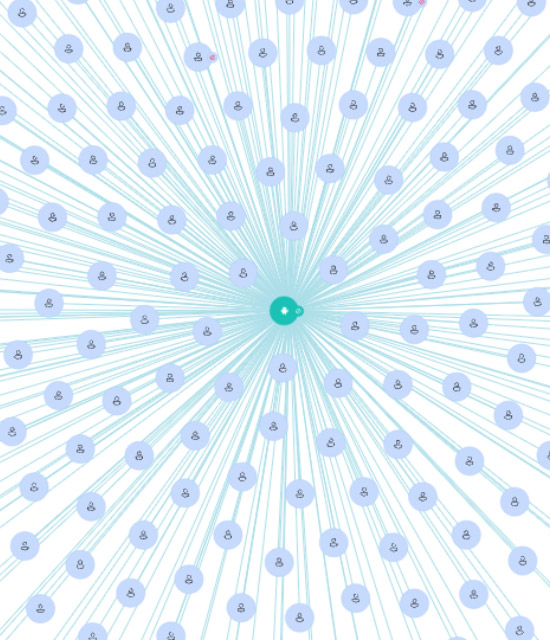
Most tools don't see hidden connections, network graphs, or the physical reality behind shared locations and devices. We look deeper than IP or device fingerprinting. When you layer in physical intelligence to verify intent, you see the patterns that point to promo abuse.
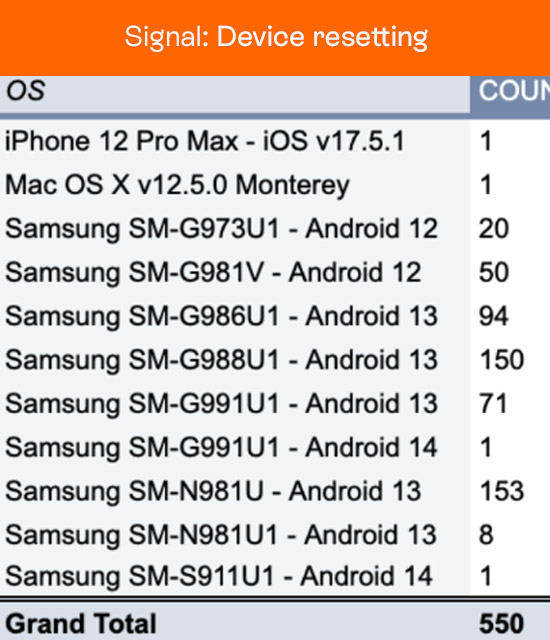
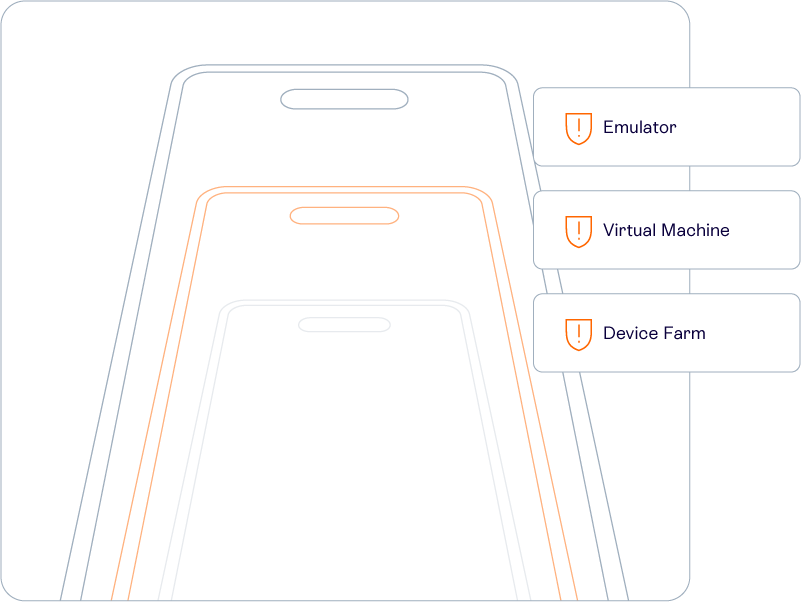
Devices reset again and again to mint "new" IDs.
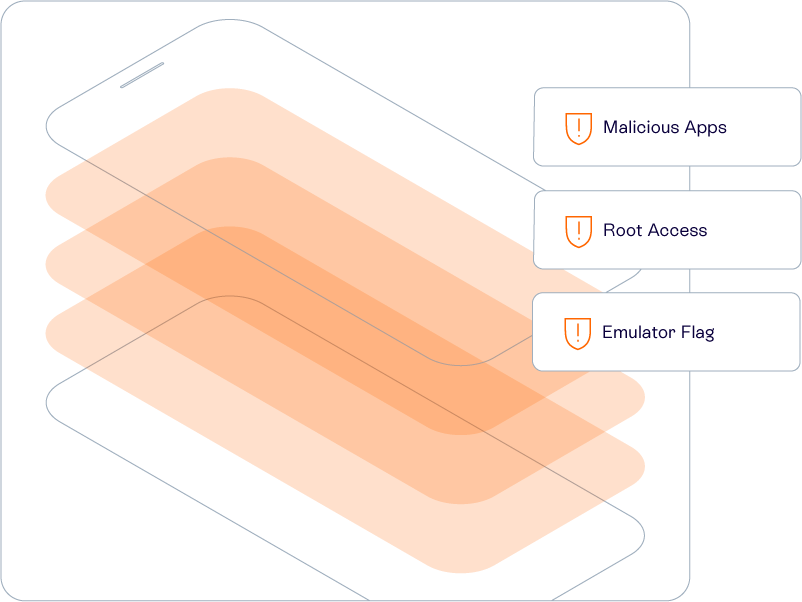
Emulators and virtual machines standing in for real phones.
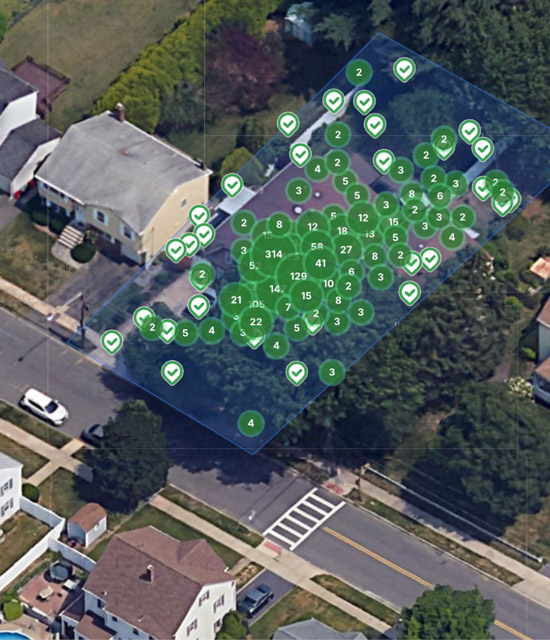
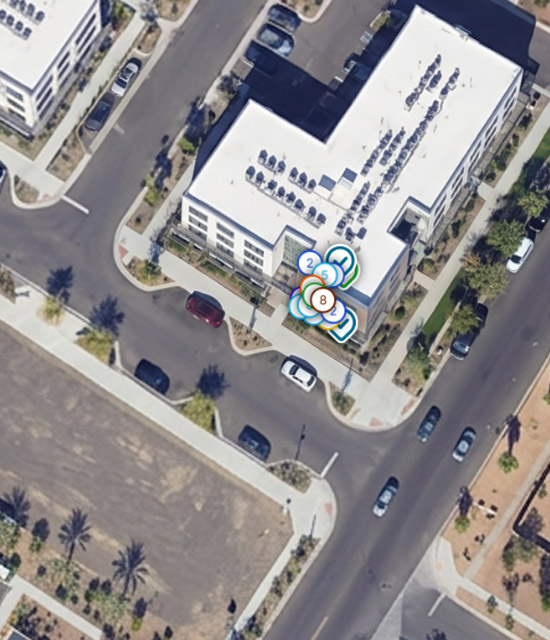
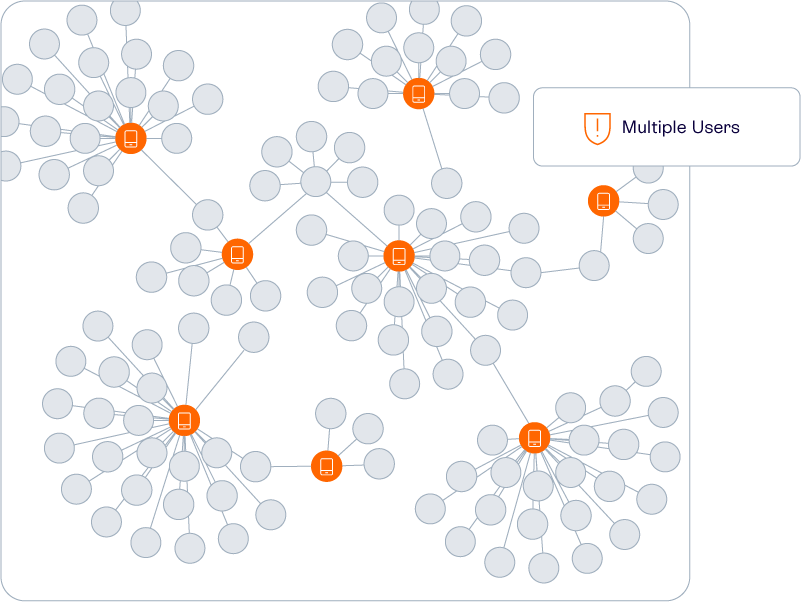
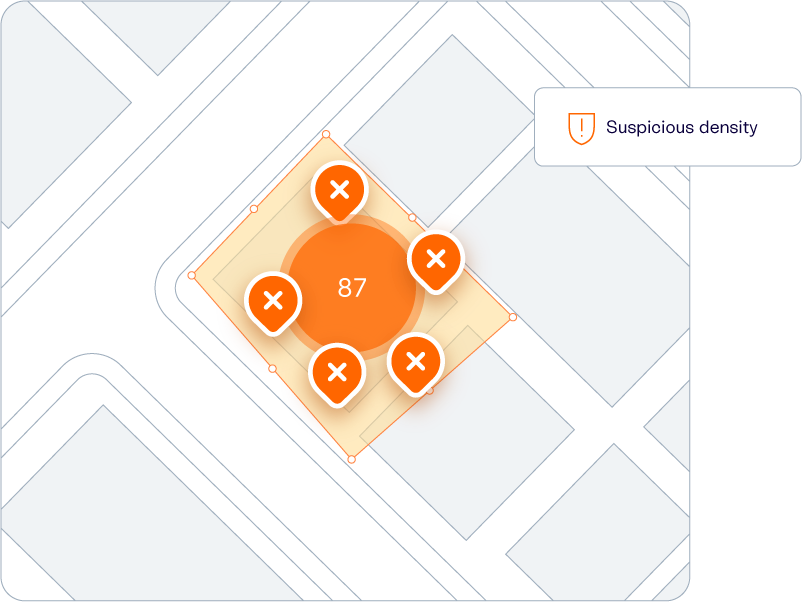
Many users and devices clustered at one physical location.
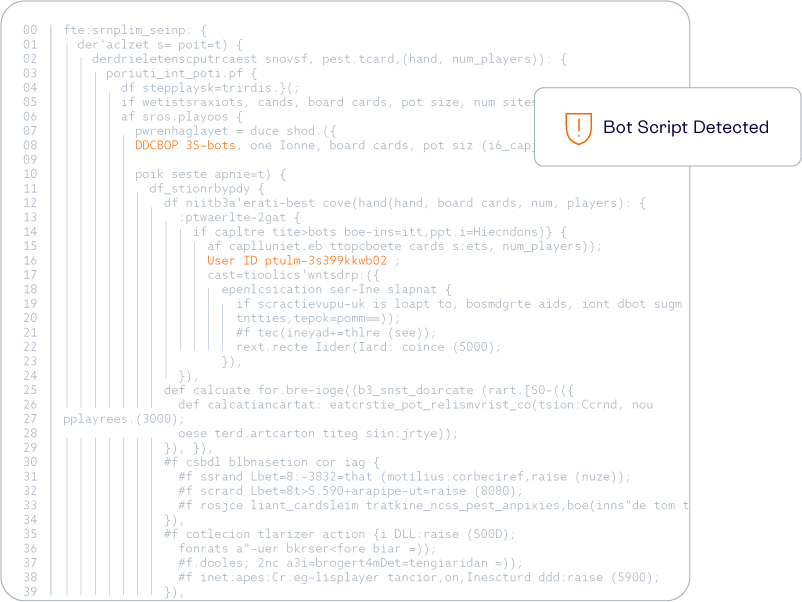
Bots, scripting, and automation to scale attacks.
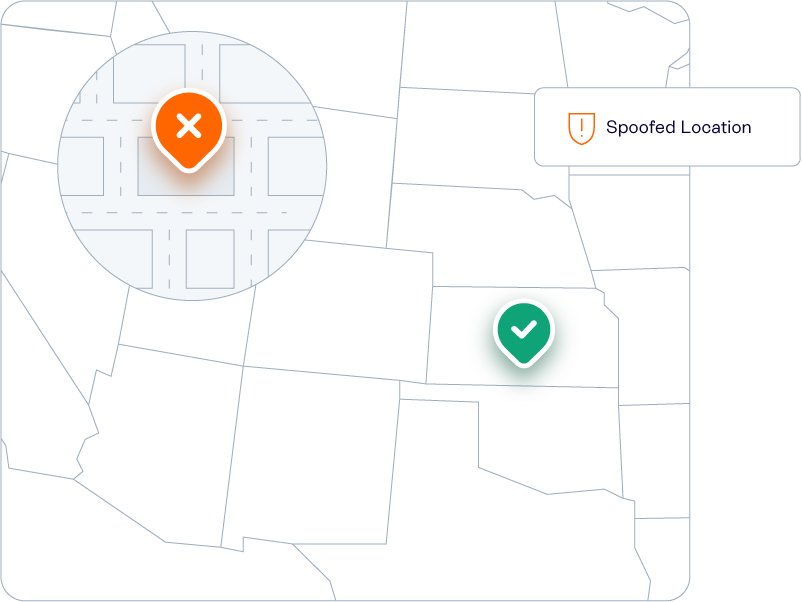
VPN, proxy, and location-spoofing attempts.
Suspicious device attributes that don't add up.
See these signals on your own platform
Talk to SpecialistGather these signals without getting in good customers' way and take targeted action.
Someone who looks fine at sign-up
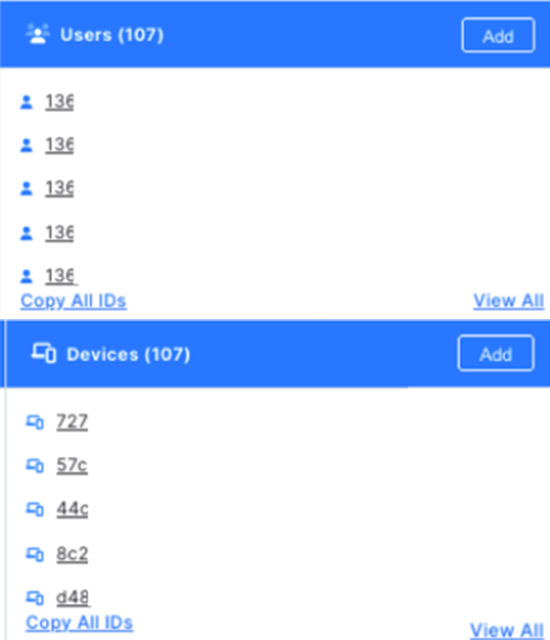
Link seemingly unique users and devices back to one source
Flag risky accounts for a step-up challenge and let real customers move without extra friction
Tune severity and test before automating instead of drowning in alerts
Want these signals?
Book a Demo
Proven in the field
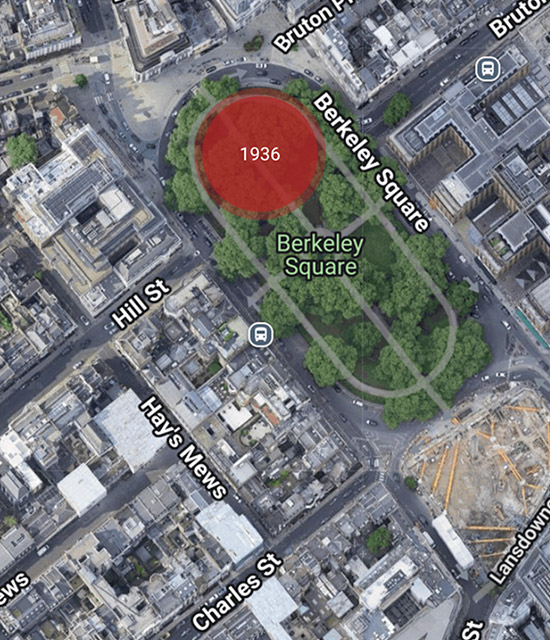
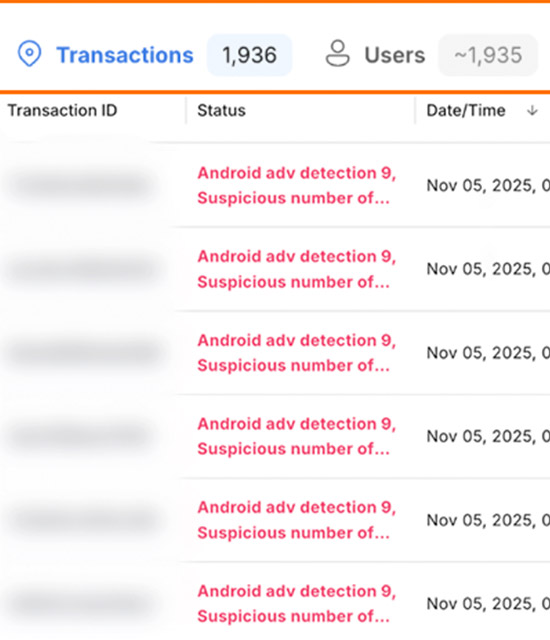
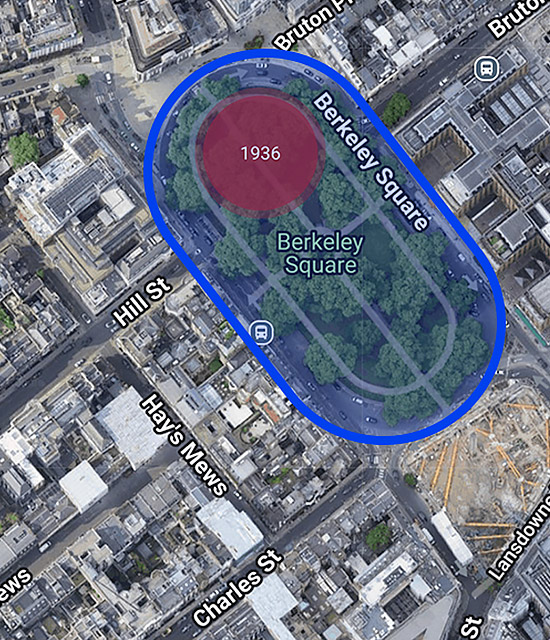
Dabble traced 250+ "unique" bonus abuse accounts to a single home in Preston, England, then shut the pattern down without blocking the real players living nearby.
Read the Dabble storyGeoComply Promo Abuse Detection · Preston, England
"We can see when someone is trying to hide their location or device fingerprint. That's the difference between a normal customer and someone with malicious intent."
 Hila Popal · GeoComply Fraud and Risk Analyst
"Having worked with GeoComply in the US, we understood the potential of grounding identity in precise device and location intelligence, not only for compliance and anti-fraud, but for growth."
 Anthony Cugnetto · Head of Product, Dabble
Rules-based vs. physical intelligence
Most fraud stacks sit at static checkpoints and read signals in silos. That means reset devices, spoofing, and device farms look innocent in isolation.
We do two things differently: we feed location, device, and behavioural intelligence continuously across the journey. And we read those signals together, ported in alongside your own data, so you get a clearer picture of trust versus risk.
 GeoComply
Real promo abusers, shut down
![[ALT TEXT PENDING]](https://www.geocomply.com/wp-content/uploads/block-industries.png)
They're the same core behaviour under different industry names. "Bonus abuse" is the iGaming term, "policy abuse" is common in ecommerce and payments, and "promo abuse" (or "promotion abuse") is the umbrella. In every case, someone creates fake or duplicate identities to extract promotional value without becoming a real customer.
Multi-accounting is one person or group operating many accounts that are meant to look unrelated. It's the engine behind most organized promo abuse attacks: each "new" account claims the offer again, and resets or spoofing hide the fact they're all connected. Reading location and device signals together is what exposes the link.
No. KYC confirms an identity is valid. It doesn't tell you the same person is quietly running 250 "valid" identities from one living room. Location and device signals do. The two work best together: identity verification plus the physical reality behind it.
An IP address is roughly a 60-mile guess, and it collapses the moment someone uses a VPN or proxy. Precisely measured physical location (GPS, Wi-Fi, cellular, and IP together, down to a few square feet) is what tells you 250 "different" players are in the same room. The same signal works whether the offer is a bonus, a sign-up credit, or a coupon.
You've still got options. Precise location gives you the best results, but plenty of our partners don't ask for it on day one. You can start with IP and device intelligence, then use precise location as a step-up prompt only when something's already been flagged.
We can tell the difference between a benign VPN and a malicious one. Someone on their office VPN looks nothing like someone hiding behind a proxy to fake eligibility, once you read the other signals around them.
Same way we stop bonus abuse: connect the accounts behind the redemptions. Code stacking, self-referral loops, and duplicate accounts all rely on looking like separate people. Location and device signals surface the connection, so the discount reaches real shoppers.
Design for the exploit before you launch. Cap value per verified person rather than per account, verify at the moment of sign-up rather than after the payout, and step up only the accounts that trip a signal. The goal is a promo that's easy for real customers and expensive for abusers.
Because that one account is rarely the whole story. The same tactic (spoofed location, reset devices, shared location signatures, coordinated timing) is usually running across many accounts, whether that's one person at scale, a script, or a group. Judging severity by a single account's dollar value undercounts the real exposure.
CAC is what you pay to win a real customer. Promo abuse is spend that never had a real customer at the other end. The line moves the moment an account's only purpose is to extract the offer and leave. Telling the two apart is exactly what location and device signals are for.