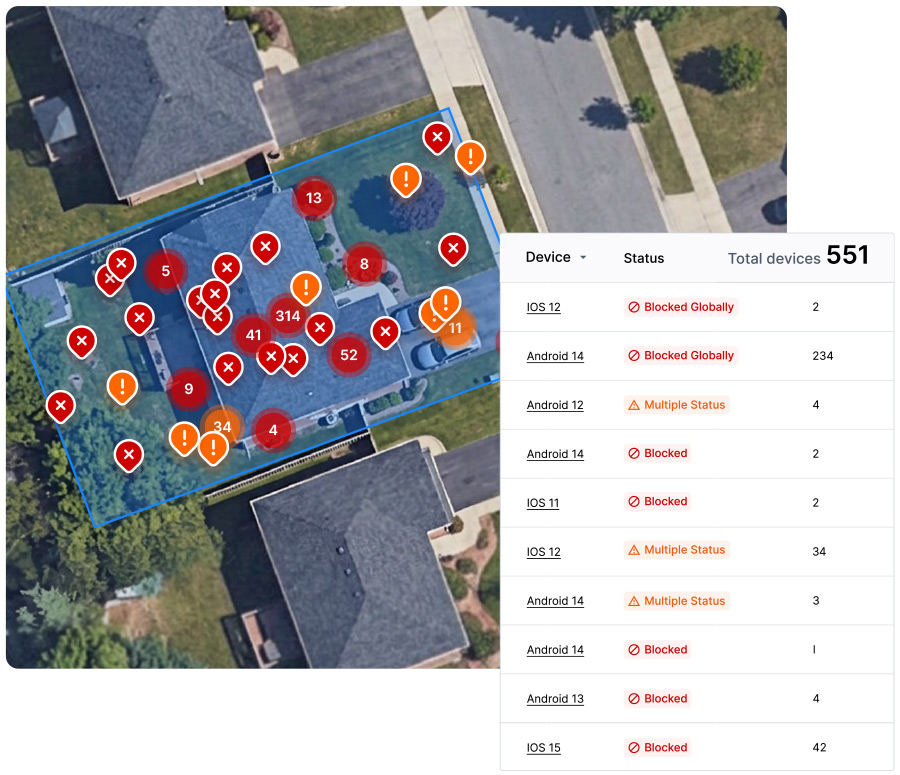






Device Manipulation Detection Skip to content

Device manipulation detection

Know which devices you can trust.

That “new” user? Their 283rd account. They throw on a VPN, emulator, a new synthetic ID, do a factory reset, and to most checks, they look legit. Our device IDs persist where device manipulation misleads, completing the story with location and behaviour. Trust the good ones faster. Act on the rest with confidence.

Trusted by hundreds of the world’s leading sports betting, streaming, and ticketing platforms for 15+ years

95%–99% customer-confirmed precision.
$450k saved in a single month, for one customer
DraftKings
FanDuel
370M+ VPNs/Proxies catalogued. Masked traffic can’t hide.
200M+ unique devices behind our models.
2.4B checks per month
DAZN

Sightline Payments Testimonial

GeoComply cut our payment fraud costs by at least 85%. They give us access to more detail and data for our ecommerce transactions than we’ve ever had before. The anti-fraud reports were literally good enough to take to the bank in order to win our chargeback disputes.

– Co-Founder & Co-CEO, Sightline Payments

BZZR Testimonial

I would say we’ve probably added 15% to our revenue projections based on products that we’re building with GeoComply’s services.

— CTO, BZZR

Caesars Interactive Testimonial

Delivering a geolocation solution which is not just compliant, but also built and optimized with the player experience in mind is a critical success factor for iGaming in North America. GeoComply has always demonstrated to us that they understand that and can deliver under tight deadlines and across all platforms.

– SVP & Chief Information Officer, Caesars Interactive

BETR Testimonial

What impresses me the most is KYC pass rates. I don’t think there are many vendors out there that could say, ‘we’re giving you one endpoint where you could get 95% KYC pass rates.’ That kind of workflow can take years to build and integrate properly. GeoComply just delivers it.

— Head of Gaming, BETR

Device manipulation is any attempt to make one device look like a different, cleaner, or brand-new device. The goal is to create a fresh identity on the same hardware.

Common methods include

  • Factory resets
  • Emulators
  • Virtual machines
  • Cloned or virtual device apps
  • Jailbroken and rooted phones
  • Browser fingerprint spoofing

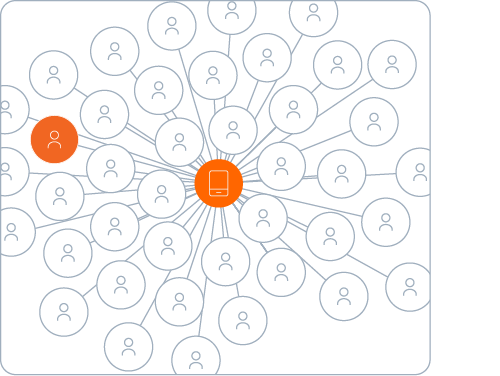
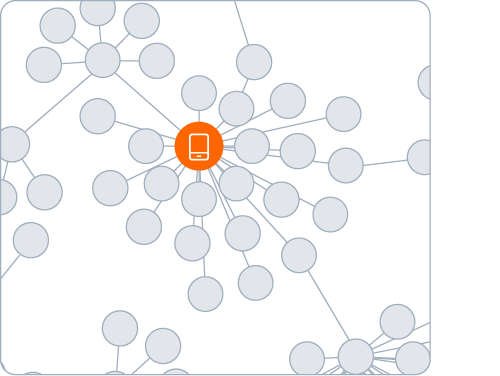
Every method leaves traces in the device's configuration, its physical location, and how it behaves. Reading those signals together links accounts that appear unrelated back to one user, cluster or address.

FAQ

Can a device fingerprint be spoofed or reset?
Yes, and that's the point. No fingerprint is unbreakable. The few methods that can erase or forge one, like a factory reset or a rooted operating system, are exactly what we detect. A broken or wiped fingerprint becomes a fraud signal in its own right.
Do you need location data to detect device manipulation?
No. Device manipulation detection runs on device and behavioural signals alone, with no location permission and no friction for the user. When location is granted, it corroborates them and lifts confirmed-fraud precision from 87% to 95–99%.
How is this different from device fingerprinting?
A fingerprint answers "is this the same device?" Device manipulation detection answers a harder question: "is this device telling the truth about itself?" A fingerprint alone can be cleared or faked. Corroborating the device against location and behaviour is what catches the fraud a fingerprint on its own would miss.

What device manipulation detection stops.

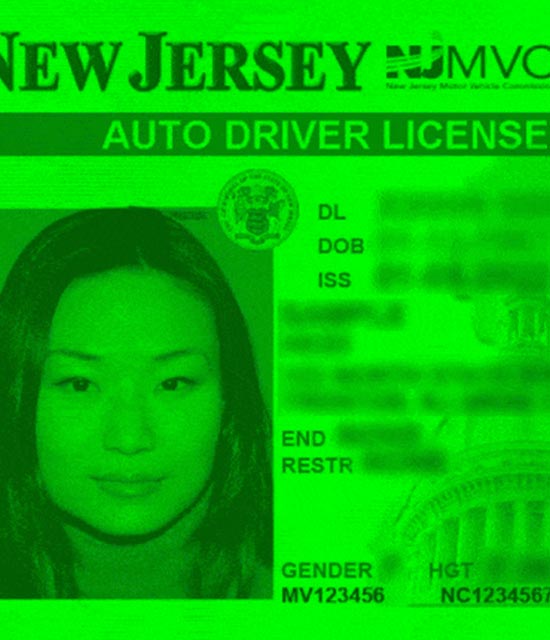
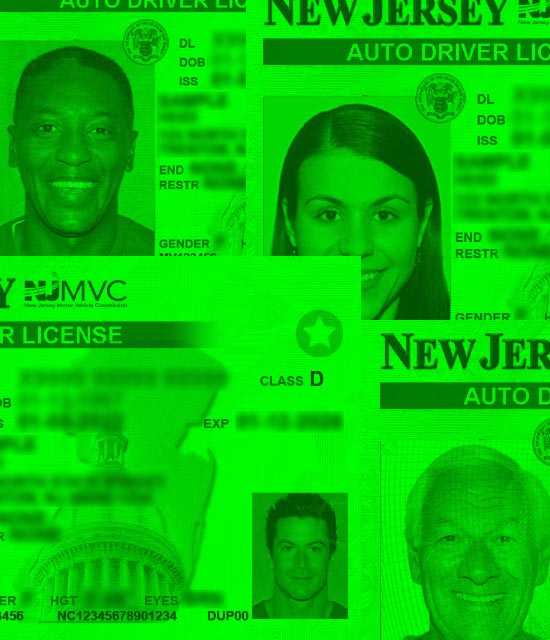
Synthetic IDs and deepfakes at onboarding

A stolen or AI-generated identity can pass document and selfie checks. The device set-up behind it is harder to fake. So don't chase the deepfake. Catch the emulator, the reset, and the tampering it took to look like a new user.
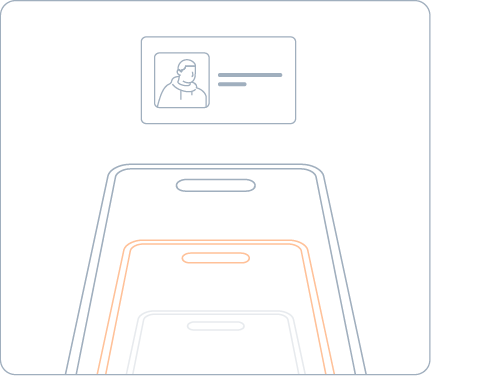
Illustration of synthetic ID and deepfake detection at onboarding
  • Emulator
  • Virtual Machine
  • Device Farm

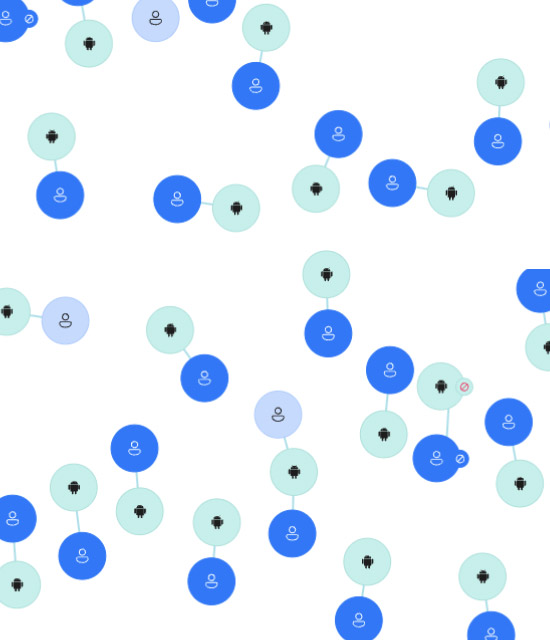
Promo abuse and multi-accounting

Every promotion is a target. A fraudster opening their 56th account needs a new device each time, or a convincing fake of one. We connect the accounts through the device, location, and behaviour they share. Your promo budget goes to real customers.

Illustration of promo abuse and multi-accounting from a single device
  • New user
  • Same Device

Bots and automation at scale

Scripts, remote-access tools, and device farms all run on environments that don't behave like a real person on a real phone. The environment gives them away, before the abuse scales.

Illustration of bot and automation activity running at scale
  • Bot Script Detected

Ban evasion

You banned them for a reason. A factory reset and a new email is all it takes to come back as a first-time user. The account is new. The device isn't. We recognise the hardware underneath the reset and keep the ban where you put it.

Illustration of ban evasion through a factory reset and a new account
  • Device Reset

Account takeover

A login from a device that's been tampered with, or one that doesn't match the account's history, is a signal worth a step-up before you let it through.

Illustration of an account takeover login from an unrecognised device
  • Root Access

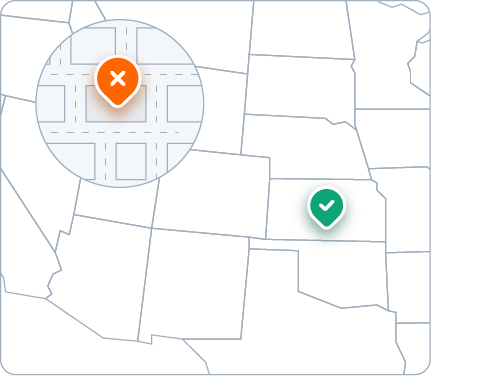
Location spoofing

VPNs, proxies, and location-faking apps let someone claim to be somewhere they're not, in a market you're not licensed to serve or a promotion they don't qualify for. The reported location is easy to change. The device telling you it is much harder to hide.

Illustration of location spoofing through a VPN or proxy connection
  • Spoofed Location

Most fraud teams know the list.

  • Anti-detect browsers
  • Cloned devices and apps
  • Device farms
  • Emulators and virtual machines
  • Factory resets
  • Rooted and jailbroken devices
  • Remote access (RDP, RATs)
  • + More

Get device intelligence on your own platform

Talk to Specialist

One device ID that holds across sessions, accounts, and attempts to reset.

  1. Collect

    We gather deep device attributes, on-device through our SDK or in the page through JavaScript. System, hardware, and environment signals a browser fingerprint can't reach on its own.

  2. Resolve

    Those attributes resolve to one persistent device fingerprint. That's what links accounts, sessions, and behaviour over time, even when someone clears their cookies or claims to be new.

  3. Guard

    Real-time signals cover every known way to erase or forge that fingerprint. The attempt to break it leaves marks of its own. That's what we catch.

Adaptive Verification

Precise location. Only when the risk is real.

Precise location is the strongest signal you can add to a fraud decision. And the best geolocation knows when to stay out of the way.

ON REAL RISK · we step up

Compliance-grade location, only for the sessions that earned it. Precision climbs to 95–99%, up from 87% without location.

Adaptive verification
is the third option.

It's one integration. The system reads every session and right-sizes the check in real time.

95–99% precision with location up from 87% without location

The friction lands on the fraudster.
Not on the people you spent to acquire.

Adaptive Verification

Precise location. Only when the risk is real. Precise location is the strongest signal you can add to a fraud decision. And the best geolocation knows when to stay out of the way.

Add friction for everyone, and slow the users you want.

Lower your guard, and write off the fraud that slips through.

Adaptive Verification. Full-strength verification, aimed only where the risk is.

ON REAL RISK · we step up. Compliance-grade location, only for the sessions that earned it. Precision climbs to 95–99%, up from 87% without location.

Adaptive verification is the third option. It's one integration. The system reads every session and right-sizes the check in real time. The friction lands on the fraudster. Not on the people you spent to acquire.

Why device manipulation detection is stronger with GeoComply

A reset isn't a lost trail. It's evidence.

When a device is wiped to look new, other approaches lose the trail. We know how to treat the wipe as a signal in itself.

Signals other tools never see.

Our direct work with Apple and Google reaches device-level signals most providers can't, so you catch manipulation that would otherwise pass clean.

You own the decision, not the upkeep.

No need to hand-code a new rule for every fraud tactic. Our models keep pace as tactics shift, and the decision stays yours. Every signal and verdict plugs into your stack through our API and MCP.

A woman holding a phone in an office

Device intelligence, across industries

It's a variation of the same play: one device made to look like many, wiped, cloned, emulated, or rerouted, so the same person can show up as a stranger. No real customer needs an emulator or multiple factory resets to sign in. Here's how that one pattern surfaces across industries.

iGaming

Every account you open is meant to belong to one real player, in a state where they're allowed to play. A wiped device is how a banned or self-excluded player walks back in as someone new.

FinTech/Payments

You're onboarding applicants who'll bank with you for years, and you answer for every one of them. Emulators and remote-access tools let a synthetic applicant, or an unauthorized user inside a real account, look like an ordinary user.

Prediction Markets

Your markets are only as honest as the assumption underneath them: that every position belongs to a different person. Position limits mean little when one trader can be a hundred devices.

Crypto

Every wallet and every withdrawal has to trace back to someone you're permitted to serve. Rooted devices and virtual machines are how restricted users, airdrop farms and fraud rings arrive looking clean.

Media & Entertainment

Your rights deals are drawn by household and by border, and the platform has to hold that line. Emulated devices and spoofed locations turn one seemingly harmless subscription into a potential unauthorized distribution network.

AI Labs

Real developers and researchers should be able to build on your models. Emulated devices and synthetic fingerprints are how one operation fans out into thousands of accounts that look unrelated, distilling the model or using it to run something worse.

Marketplaces

Every transaction rests on both sides being who they say they are. A factory reset is how a removed seller comes back, with fresh reviews and the same playbook.

Rewards Apps

Points, cash back, and play-to-earn rewards are built to drive real engagement. One device pretending to be a thousand cycles small payouts across accounts that were never people.

GeoComply solutions for any industries

  • Antifraud
  • Synthetic IDs, Stolen ID & Deepfakes
  • Bots & Automation
  • Account Takeover
  • Promo & Bonus Abuse
  • First-Party Chargebacks
  • Money Laundering
  • Game Integrity
  • Geofencing & Geolocation Compliance
  • VPN, Proxy and Tor Detection
  • License Management
  • Export Controls
  • Sanction Compliance
  • Age, ID & KYC Verification
  • Location Spoofing & Device Manipulation
  • Device Farms & Multi-Accounting
  • Payment & Transaction Fraud

Device manipulation detection, answered.

  • Device manipulation detection is the practice of identifying devices that have been altered to hide their true device identity. That includes emulators, rooted or jailbroken phones, cloned apps, anti-detect browsers, and factory resets used to fake a fresh start. Rather than trusting the identity a device reports, it reads the device's real characteristics and flags the signs of forgery or evasion. Corroborated with location and behaviour, those device signals connect manipulated devices that look unrelated back to one user, ring, or location.

  • An emulator builds a device identity in software, so it produces combinations of system and hardware attributes that a genuine phone never would. We detect those mismatches in real time, without needing the user to do anything.

  • Both describe a device whose operating system has been modified to remove the manufacturer's built-in restrictions. "Rooted" refers to Android, "jailbroken" to iOS. In both cases the modification lets a fraudster rewrite the device attributes an identity is built on, which is why we treat them as high-risk signals.

  • An anti-detect browser is a tool that forges a browser's configuration so every session looks like a different, brand-new visitor. It's the tooling behind industrial multi-accounting. We detect the forged configuration rather than trusting the fresh-looking fingerprint it presents.

See it run on your own traffic.

Book a demo

The fastest way to understand what you're missing is to look.

Talk to an expert

See it on your real traffic, in shadow mode alongside your current stack.

One line of code on the web. Native mobile in about 20 minutes, via our MCP.

No rip-and-replace, no commitment to start.